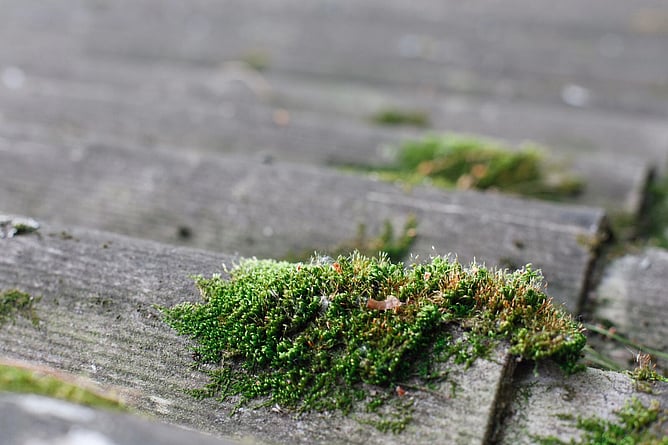
Moss on a roof often looks like a small maintenance issue. In the Bay of Islands, it can be built faster than many homeowners expect. Northland’s mild, humid climate keeps many roofs damp for longer.
At Flood Roofing, we are roofing experts who work across Kerikeri, Kaikohe, Kawakawa, Paihia, and Ōkaihau. We often see moss return on roofs with shade, debris, or poor drainage. That pattern is common across the wider Northland coast as well.
Warm weather does not stop moss
Many people assume moss is mainly a cold-climate problem. That is not really the issue. Moss grows where moisture stays put.
Northland has mild winters, high humidity, and regular rain throughout the year. Those conditions help moss and lichen settle on roof surfaces. They also slow down drying after wet weather.
A roof does not need to look soaked to stay damp. Small pockets of moisture can sit under debris and around rough surfaces. That gives new growth time to establish before homeowners notice it.
Shade makes the problem worse
Tree cover is a major factor around older Bay of Islands homes. Shaded roofs stay damp long after the rain stops. Fallen leaves and fine debris also hold moisture against the roof.
This is common on established sections in Kerikeri and Paihia. Homes with shelter belts or large garden trees often need closer roof checks. A tidy roof in summer can still hide early moss growth underneath debris.
Homes near bush, gardens, or sheltered gullies can be more vulnerable to. Even a newer roof can struggle if one side rarely gets full sun. That is why moss often appears unevenly across the same house.
Heavy rain turns growth into damage
Moss does more than stain the roof. It holds water against the surface and can lift or weaken roofing materials over time. It also washes into gutters and downpipes during storms.
That matters in Northland, where rainfall is plentiful, and heavy falls can happen. Once drainage starts to back up, the problem spreads fast. Overflowing gutters can then affect walls, fascia, and the ground below.
Flood Roofing’s own moss guidance also points to blocked drainage as a common risk. When moss and lichen build up, they do not stay neatly on the roof. They often end up moving through the whole water system.

Why some roofs get repeat growth
The same roof can be treated more than once if the cause stays the same. Ongoing shade, blocked drainage, and trapped debris all help moss return. In some cases, the roof surface is also starting to age.
That is where a simple clean and a roofing issue start to separate. A sound roof may only need treatment and better maintenance. A tired roof may already have decay, movement, or hidden moisture damage.
Lichen can be another warning sign here. It tends to cling more firmly than moss and can be harder to remove. On older roofs, this can make surface wear more obvious after cleaning.
Local examples tell the story
A shaded home in Kerikeri may grow moss on the cooler side first. A coastal roof in Paihia may stay damp for longer after wet weather. A rural roof near Kaikohe may send debris and moss straight into the spouting after a storm.
This is not only a Northland issue. Similar service pages appear in other damp regions, too. DryGutts’ roof moss treatment Hamilton page shows the same pattern in another market.
What homeowners should do early
The best time to act is before moss becomes thick and established. Check the roof after wet periods and look for blocked gutters, dark patches, or recurring damp areas. Pay extra attention to homes under trees or near the coast.
It also helps to remove debris before it breaks down on the roof. Professional treatment can slow regrowth on sound roofing materials. If moss keeps returning quickly, the roof may need a wider inspection.
For homes with rainwater collection, it is worth asking about treatment methods first. Some providers recommend tank precautions during roof treatment. That is another reason to get advice before the job starts.
The bigger point
Bay of Islands roofs do not need snow or hard frost to grow moss. They only need steady moisture, shade, and time. That is why growth can surprise homeowners here.
When moss is dealt with early, it is usually a maintenance problem. When it is ignored, it can become a drainage and roofing problem. Knowing that difference helps you make better decisions sooner.
Talk to us at Flood Roofing about your roofing issues.