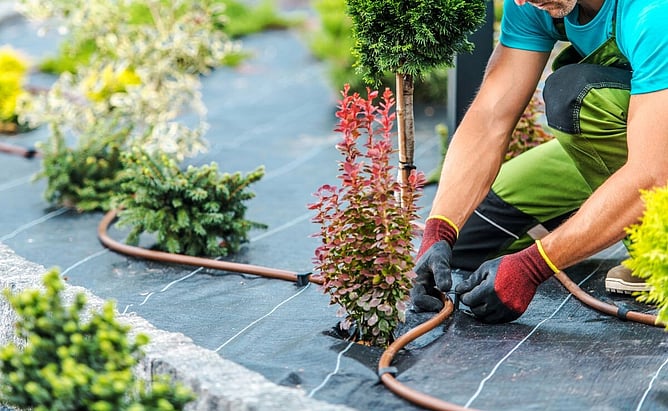
Outdoor projects usually begin with the visible parts. People think about paving, planting, lawns, and entertaining areas first. In the Bay of Islands, roof drainage should come much earlier in the plan.
At Flood Roofing, we are Kerikeri roofing experts who work across Paihia, Kerikeri, Kaikohe, Kawakawa, and Ōkaihau. Our roofing and spouting work often shows the same issue. Homeowners improve the ground below, but the roof above is still sending water to the wrong place.
Roof water shapes the ground below
A roof collects a lot of water during Northland rain. If gutters overflow or downpipes are poorly placed, that water does not just disappear. It ends up against cladding, around paths, beside foundations, and across garden edges.
Flood Roofing’s spouting advice makes this clear. Well-designed spouting and downpipes move water safely away from the roof and foundation. When that system fails, the damage often shows up beyond the roofline.
That matters even more in Kerikeri’s coastal and subtropical conditions. Flood Roofing notes that heavy rain, humidity, and salt exposure all put extra stress on spouting. Poor drainage can then lead to problems with siding, structure, and the ground around the home.
Landscaping cannot fully fix bad roof runoff
A tidy garden can still struggle if roof water keeps spilling into it. New paving, fresh planting, and improved lawns all work better when runoff is controlled first. Without that, the same wet areas tend to return.
This is one reason retaining walls and drainage often belong in the same conversation. Professional landscapers about retaining walls as a way to manage terrain, prevent erosion, and direct water more safely on sloped sections. That same logic applies when roof runoff is affecting a garden or outdoor area.
Driveways and paved spaces are similar. Landscapers say drainage, sun exposure, soil type, and traffic flow all affect how a driveway should be planned. A Bay of Islands property needs the same joined-up thinking, especially where roof water meets hard surfaces.
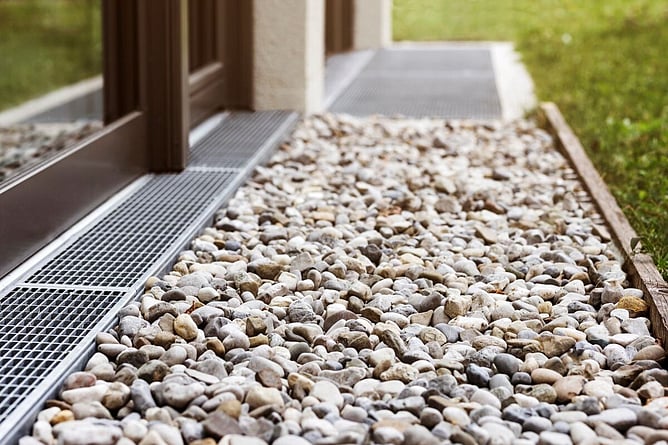
Outdoor upgrades work better when the roof is included
Landscaping is often treated as a ground-level job. In reality, the roof influences much of what happens below. If downpipes discharge badly, or guttering overflows in storms, the outdoor design is already working around a preventable problem.
This is especially important for homes adding decks, pergolas, paths, lawns, or retaining walls. Professional landscapers offer those services as part of broader landscape planning, rather than as isolated tasks. That is a useful reminder that outdoor spaces usually perform better when different site elements are planned together.
The same principle applies in Northland. A covered outdoor area may improve comfort, but it also creates more roof surface and more runoff. If the spouting and downpipes are not considered early, the finished space can stay wetter and messier than expected.
Three local examples
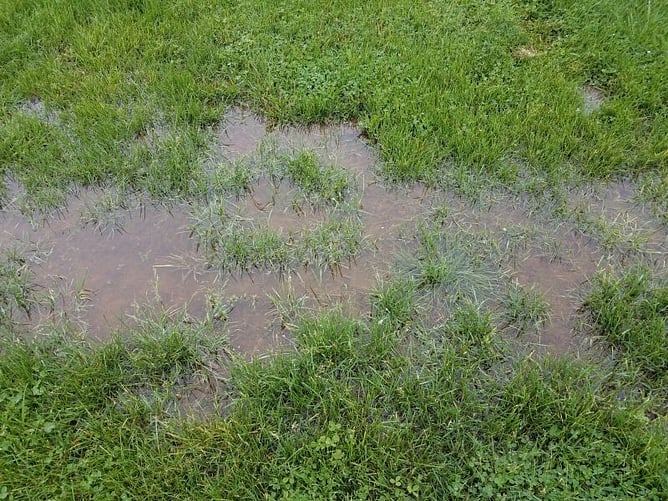
A Kerikeri home might have a nice flat lawn beside the house. If one downpipe sends stormwater straight onto that area, the grass can stay patchy and muddy. In that case, the landscaping symptom started with a roofing problem.
A Paihia property may face more wind-driven rain and salt exposure. That can shorten spouting life and increase overflow risk. When that water lands near paths or garden beds, outdoor wear often shows up faster.
A sloped section near Kaikohe or Ōkaihau can be harder again. Water already wants to move downhill. Add poor roof runoff, and erosion or pooling can become much more obvious around steps, retaining edges, and planting zones.
Other regions approach it the same way
This is not only a Northland issue. Outdoor specialists in other parts of New Zealand also treat drainage as part of the design process. My Landscapes, for example, combines retaining walls, paving, driveways, lawns, irrigation, and Landscaping for Rotorua within a broader site-planning approach, where drainage is considered alongside appearance and usability.
That is a useful comparison for Bay of Islands homeowners. Good landscaping is not only about what gets planted or paved. It is also about how water moves through the whole property.
What to check before work starts
Start with the gutters and downpipes. If they already overflow, leak, or discharge poorly, fix that first. There is little value in improving the ground while roof water is still causing the same problem.
Next, look at the shape of the site. Slopes, narrow side paths, old garden beds, and hard surfaces all change where water ends up. Retaining walls, drainage, and paving may help, but only if the roof water plan makes sense too.
Finally, think about the whole outdoor area as one system. The roof, spouting, ground levels, planting, lawn health, and drainage all affect each other. When those parts are planned together, the result is usually cleaner, drier, and easier to maintain.
Good landscaping starts above ground level
A great outdoor space should do more than look finished. It should also handle Northland weather without turning wet areas into ongoing problems. That is why roof drainage deserves attention before the landscaping begins.
For Flood Roofing customers, this is often the difference between a cosmetic upgrade and a practical one. Sort the water first, and the rest of the outdoor project has a much better chance of lasting well.
Talk to us at Flood Roofing for all your roofing and reroofing needs in the Bay of Islands.