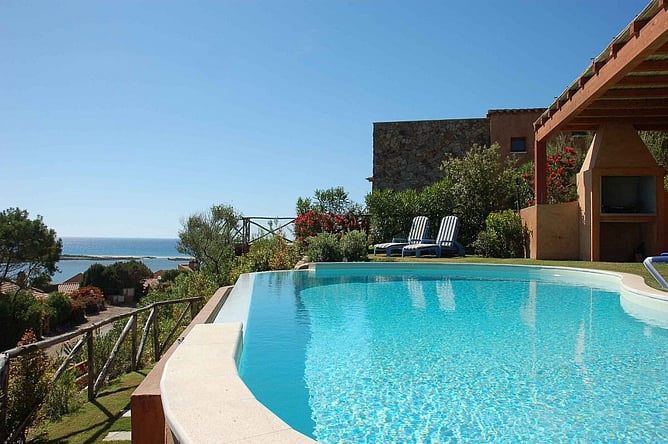
A new pool can transform how a backyard feels. But before the pool goes in, the roof and drainage need attention too. In the Bay of Islands, poor water management can turn a good outdoor project into an expensive one.
Flood Roofing works across Kerikeri, Paihia, Kaikohe, Kawakawa, and Ōkaihau. The company already builds new roofs, roof replacements, spouting, and handles custom pole sheds and carports for Bay of Island properties. That makes roof runoff and outdoor planning a natural part of the conversation.
Many homeowners focus on paving, fencing, and pool design first. Those details matter, but they do not control where roof water ends up. If that part is ignored, heavy rain can wash straight into walkways, pool surrounds, garden edges, and outdoor living zones.
Roof water does not stop at the house
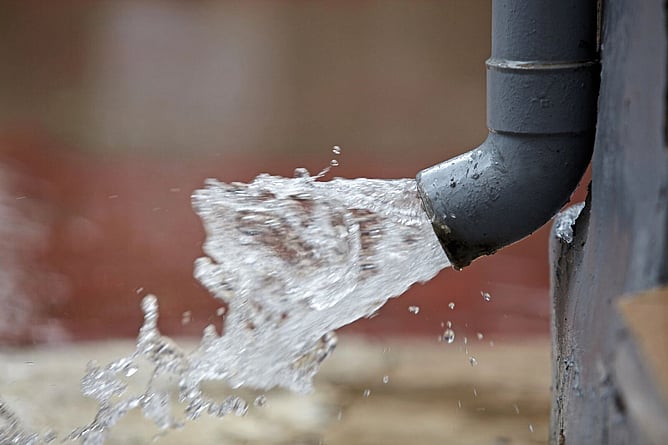
A roof collects a surprising amount of water during a Northland downpour. Flood Roofing’s spouting advice makes that point clearly. The whole job of downpipes and gutters is to move that water away before it damages the home or surrounding ground.
That matters even more when a pool is added nearby. Pool areas already deal with water on the surface. If roof runoff is also entering that same area, drainage problems can build quickly.
A covered patio beside the pool can make the issue worse if it is not designed properly. Bay of Islands homeowners know that poorly planned covered outdoor areas can lead to leaks, splash issues, corrosion, and water damage and that the same principle applies to pool zones and poolside shelters.
Pool projects change how the whole outdoor space works
A pool is not just a hole in the ground. It changes levels, traffic flow, drainage paths, and how people use the section. Auckland Inground Pools makes a similar point in its pool planning content, where site contours, access, landscaping, and water management are treated as part of the same job.
That is why roofing should not be left out of the early planning stage. If the roof keeps dumping water toward the future pool area, the finished space may never work as cleanly as intended. Even a well-built pool can feel awkward if surrounding runoff has nowhere sensible to go.
In places like Kerikeri and Paihia, this matters more because heavy rainfall and coastal exposure already put pressure on exterior materials. Water sitting in the wrong place does not just look messy. It can affect cladding, fascia, soil stability, and the usability of the whole area.
Spouting and downpipes are part of the outdoor project
Spouting is easy to ignore when the exciting part is the pool. But it often decides whether water leaves the site cleanly or causes repeated problems. Flood Roofing’s own guidance explains that gutter capacity, downpipe sizing, and rainfall intensity all need to be matched properly.
That is especially important if you are also adding a pergola, covered entertaining space, pool house, or carport near the pool. Every extra roof surface collects more water. If those new rooflines are not planned together, runoff can end up concentrated in the worst possible place.
A poolside space should feel easy to use. It should not become a spot where overflow crosses paving, erodes planting, or creates wet patches after every storm. Good roof drainage helps prevent that before it starts.
Local examples show why this matters
A Kerikeri home with a new pool and covered seating area may need better downpipe placement than the old layout allowed. Without that change, water from the roof can spill toward the same entertainment zone people are trying to improve.
A Paihia property may have extra coastal exposure and strong rain off the sea. That can increase wear on metalwork and make splash and overflow more noticeable around outdoor living areas. In that setting, roof detailing and drainage become even more important.
A rural property near Kaikohe or Ōkaihau may have more room for a larger pool and shelter structure. It may also have longer roof runs and more concentrated water flow. Bigger projects need bigger drainage thinking.
Pool builders think about this too
This is not only a Northland issue. Pool builders in other regions also talk about planning water movement early. Auckland Inground Pools, for example, has written about the role of grading, channel drains, and roof water in pool design, and its wider content on concrete pools in Auckland also treats landscaping and construction as part of one connected outdoor plan.
That is a useful reminder for Bay of Islands homeowners. A pool should not be planned as a stand-alone feature. It needs to work with the house, the land, and the roof water already on the site.
What to think about before work starts
Start with where your roof water goes now. If gutters already overflow, downpipes are undersized, or the ground stays wet, those issues should be fixed before a pool project begins. It is much easier to solve them early than after paving and pool surrounds are complete.
Next, think about any extra roof structures you want nearby. A simple covered area can improve comfort, but it also adds more runoff. Planning that roof and the drainage together usually leads to a cleaner result.
Finally, treat the backyard as one system. The house roof, spouting, ground levels, paving, pool, and shelter all affect each other. When those parts are planned together, the finished space tends to last longer and work better.
Good outdoor projects start with water control
A pool can add real enjoyment to a home. But the best pool areas do more than look good on a sunny day. They also handle roof water properly when the weather turns.
For Bay of Islands homeowners, that is where roofing advice becomes useful. If the roof, spouting, and drainage are sorted early, the rest of the outdoor project has a much better chance of succeeding.
Talk to us at Flood Roofing if you want to look at your roofing situation.