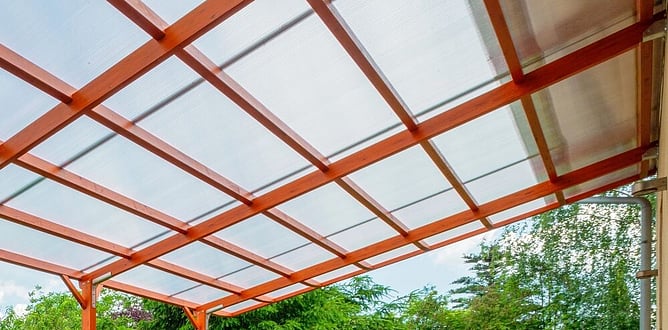
If you're looking at spa pools for sale, then a covered spa area can be a smart addition to a Northland home. It adds privacy, improves comfort, and helps you use the space in more seasons.
But the roof over that space matters just as much as the spa itself. In places like Kerikeri, Paihia, and the wider Bay of Islands, poor planning can lead to leaks, splash issues, corrosion, and water damage.
If you are thinking about a spa area, it pays to plan the cover first. A well-built roof structure protects the investment underneath and makes the space easier to maintain.
Start with the site, not the spa
A covered spa area needs to move water away fast. If the pitch is too low, or the fall is poorly planned, water can pool and create long-term problems.
Overflow near the spa is not just annoying. It can make surrounding surfaces slippery and increase moisture around timber, fixings, and wall cladding.
This is where proper roofing design matters. The roof should shed water cleanly and direct it into spouting that carries runoff away from the structure.
Roof pitch and runoff matter more than people think
A covered spa area needs to move water away fast. If the pitch is too low, or the fall is poorly planned, water can pool and create long-term problems.
Overflow near the spa is not just annoying. It can make surrounding surfaces slippery and increase moisture around timber, fixings, and wall cladding.
This is where proper roofing design matters. The roof should shed water cleanly and direct it into spouting that carries runoff away from the structure.
Do not treat spouting as an afterthought
Spouting often gets left until late in the project. That is a mistake, especially in the Bay of Islands where heavy rain can arrive quickly.
A covered spa area concentrates water into a smaller zone. If the spouting is undersized, badly placed, or missing altogether, water will end up where you do not want it.
That can mean splashback onto walls, wet decking, erosion near posts, or ponding beside the slab. Good spouting protects the roof, the structure, and the area people walk on.
Choose materials that suit coastal Northland
Not every roofing product performs the same way in our region. Bay of Islands homes deal with humidity, strong sun, and in some locations, regular salt exposure.
That matters even more on smaller outdoor structures. Roof edges, fastenings, gutters, and flashings can wear faster when they are exposed and poorly specified.
If the spa area is close to the coast, material choice becomes even more important. A sheltered inland section around Kaikohe or Ōkaihau may have different demands from a more exposed property nearer the water.
Think about ventilation and steam
A spa creates heat and moisture. If the cover is too enclosed, steam can build up and leave the structure damp for long periods.
That can affect the underside of the roof, surrounding framing, and nearby fittings. It can also make the area less pleasant to sit in.
The answer is not to leave everything open. The goal is balanced design, with enough cover for weather protection and enough airflow to let moisture escape.
Access is part of the roof plan
A covered spa area should be easy to use in wet weather. That means thinking beyond the roof sheet itself.
You need clear paths, enough head height, and good placement of posts and downpipes. No one wants to squeeze around a post or step through a puddle to reach the spa.
It is also worth thinking about how the spa will arrive on site. Access for delivery, lifting, and final positioning should be considered before the roof goes in.
Match the structure to the house
The best outdoor additions feel like part of the property. They do not look tacked on or create awkward drainage points against the main roof.
That is why the new cover should work with the house, not fight it. Roof line, materials, colour, and water flow should all feel connected.
This is especially important on visible front or side elevations. A neat, well-matched structure usually ages better and adds more practical value.
Check the build requirements early
Some covered structures will need consent or at least early checks against local rules. Size, height, location, and how enclosed the structure is can all affect that.
It is far easier to deal with those questions before work starts. Late design changes often cost more and create avoidable delays.
For homeowners in Kerikeri and across the Bay of Islands, the safest approach is to plan the roof, drainage, and structure as one job. That gives you a covered spa area that looks right, drains properly, and stands up to Northland conditions.
A spa can be the feature people notice first. But the roof above it is what makes the space work well for years.