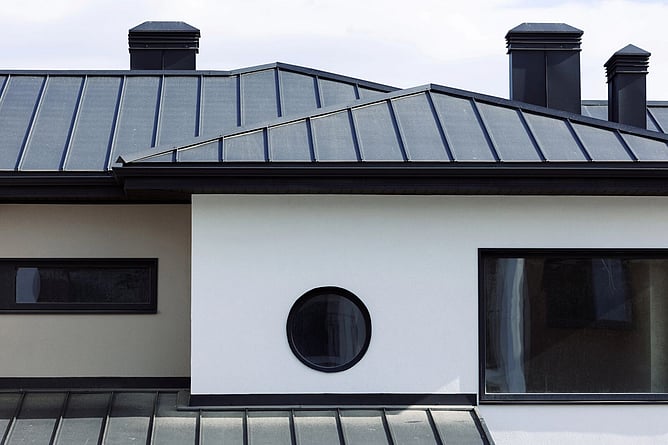
When homeowners plan a new fireplace, the roof is often an afterthought. In Northland, that can create avoidable problems. A flue changes the roofline, the waterproofing, and sometimes the project timeline.
For Flood Roofing customers in Kerikeri, Paihia, Kaikohe, Kawakawa, and Ōkaihau, weather exposure matters. Wind, salt, and humidity all put pressure on roof details. That makes every penetration more important, not less.
A fireplace does not stop at the ceiling
A fireplace may sit in the living room, but the installation reaches much higher. Woodburners and some gas systems need flues that pass through the roof. That means the roofer and installer need to think about the same spot.
If that planning happens late, the roof often gets treated as a follow-up job. That can lead to awkward placement, rushed flashing work, or extra labour. It can also mean opening up a nearly finished roof.
Roof penetrations need careful weatherproofing
Any opening in a roof needs good detailing. That includes flashings, clearances, fixings, and the way water moves around the penetration. A neat finish is not enough if the weatherproofing is weak.
This matters even more in the Bay of Islands. Coastal wind can drive rain hard against roof junctions. Salt and humidity can also shorten the life of poor materials or poor detailing.
A flue on an exposed roof in Paihia faces different conditions from one on a sheltered inland site. An Ōkaihau property may face stronger open-country wind. A Kerikeri home under trees may also deal with shade and slower drying.
The best time is often during a reroof or renovation
Flood Roofing already helps homeowners with reroofing, new roofs, and roof upgrades for extensions. That is often the smartest time to plan a fireplace too. The roof is already being worked on, so penetrations can be placed and detailed properly.
It also helps avoid doing the same job twice. No one wants a new roof finished, then opened again months later. Early coordination usually saves time, cost, and disruption.
This is especially useful for renovations. One project may include a reroof, ceiling work, insulation upgrades, and a new heating layout. When those decisions line up early, the result is cleaner and easier to manage.
Consents and compliance are easier when the plan is joined up
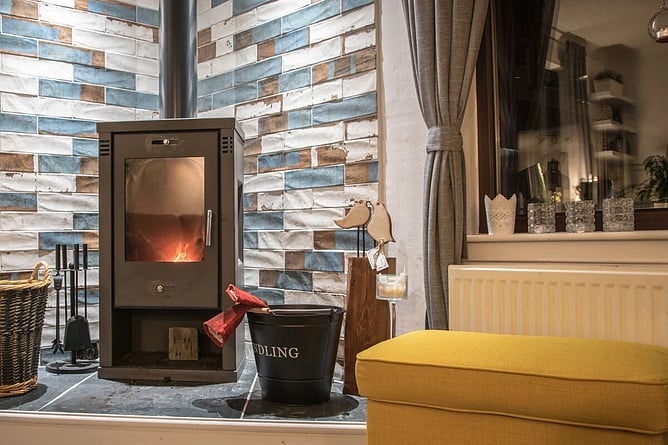
Warm Flames’ installation page explains that fireplace projects can involve consultation, consent, help, and installation scheduling. That is a good reminder that fireplace work is not only about choosing a model. It also involves paperwork, site conditions, and timing.
Flood Roofing makes a similar point on the roofing side. Its site notes that new roof projects can involve council compliance and planning support. When both trades are considered together, homeowners are less likely to hit late surprises.
In another region, Warm Flames’ page on fireplace installation in Hamilton shows the same joined-up process. It covers consultation, building consent assistance, and installation in one workflow. That is relevant because roof work and fireplace work often affect the same project sequence.
Three common examples
A family in Kerikeri may plan a woodburner during a living room renovation. If the flue position is decided early, the roof can be prepared properly. If not, the finished roof may need to be altered later.
A coastal home in Paihia may need extra care around materials and flashing details. Salt air and strong weather punish weak roof penetrations. In that case, installation quality matters as much as the heating choice.
A rural property near Ōkaihau may have more wind exposure than an urban site. That affects how the roof performs around any added penetration. It is another reason to involve the roofer before the fireplace arrives.
What homeowners should check first
Start with the roof age and condition. If the roof is already due for replacement, that may shape the timing. It often makes more sense to plan both jobs together.
Next, look at the roof shape and access. Steeper roofs, awkward junctions, and exposed sites all affect installation planning. So do nearby trees, wind patterns, and coastal exposure.
Finally, think about the whole project, not just the fireplace unit. Ask when the flue goes in, who details the penetration, and when consent is handled. Those questions are easier before work begins.
Plan the roof and fireplace as one job
A fireplace can improve comfort and add character to a home. But it also changes the roof. In Northland, that detail deserves careful planning from day one.
When roofing and heating decisions are made together, the outcome is usually simpler and stronger. The finish looks better, the waterproofing is more reliable, and the project runs more smoothly. That is the real value of joined-up planning.
Talk to us now at Flood Roofing if you're thinking about installing a fireplace and need to alter your roof to fit it.