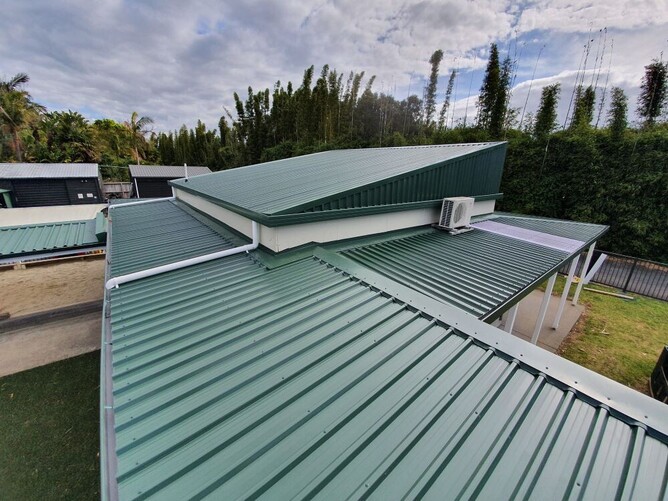
Most homeowners think about a new roof when leaks, rust, storm damage, or age become impossible to ignore. But your roof does more than keep the rain out. It also plays a major role in how warm, cool, dry, and comfortable your home feels throughout the year.
For homes in Kerikeri, the Bay of Islands, and wider Northland, that matters. We deal with warm summers, coastal humidity, heavy rain, salty air, and sudden weather changes. A tired or poorly performing roof can make your home harder to heat in winter, harder to cool in summer, and more vulnerable to moisture problems.
A new roof can improve your home’s energy efficiency when it is designed as a complete roofing system. That means choosing the right roofing material and colour, checking insulation, improving ventilation, sealing weak points, and making sure the whole roof is installed properly.
At Flood Roofing, we install roof systems built for local conditions, using trusted materials and practical advice shaped by years of roofing across Kerikeri and the Bay of Islands.
Why Your Roof Has Such a Big Impact on Energy Efficiency
Your roof is one of the largest external surfaces of your home. It takes the full force of the sun, rain, wind, and moisture. If the roof is old, poorly sealed, badly ventilated, or sitting above tired insulation, your home may lose heat in winter and absorb too much heat in summer.
Modern roofing performance depends on more than the visible cladding. That is why a roof replacement is a good time to look at the whole system, not just the sheets or colour. When we assess a roof, we look at how the roof is protecting the home now and where improvements could help the property perform better in the future.
Reflective Roofing Materials Can Help Keep Your Home Cooler
In summer, older roofing materials and darker roof colours can absorb and hold heat. That heat can radiate into the roof cavity and make the rooms below feel warmer, especially later in the day.
A new metal roof gives you the opportunity to choose modern roofing products and colours that better suit Northland’s climate. Light-coloured roof materials generally reflect much more solar energy than dark roof materials, which can help reduce heat build-up on hot days. Light-coloured roof materials reflect around 55% to 90% of solar energy, while dark roof materials may reflect only around 5% to 20%.
That does not mean every home needs a pale roof. Style, council requirements, surrounding landscape, glare, and product choice all matter. But if your home gets strong sun, choosing a more reflective colour or a modern coated roofing product can make a noticeable difference to comfort.
Roof Insulation Helps Stabilise Indoor Temperatures
A new roof is also a practical time to check what is happening underneath the roof cladding. Many older homes have insulation that has settled, shifted, become damp, or no longer performs as well as it should.
Good ceiling and roof-space insulation helps slow heat movement. In winter, it helps keep warmth inside. In summer, it helps reduce heat transfer from the roof cavity into living areas.
The New Zealand Building Code’s H1 Energy Efficiency clause sets requirements relating to thermal resistance and energy performance for certain buildings. It also refers to standards for installing bulk thermal insulation so it performs as intended.
When we are replacing a roof, we can identify whether insulation should be checked, upgraded, or discussed with the right insulation provider. This is especially useful for older homes where the roof is being opened up and access may be easier than usual.
A better-insulated home can feel more comfortable day and night, with less reliance on heating and cooling. It can also help protect the home from condensation issues when it is combined with the right ventilation approach.
Roof Ventilation Helps Manage Heat and Moisture
Ventilation is often overlooked, but it is an important part of roof performance. In coastal and humid areas like Kerikeri and the Bay of Islands, moisture can build up in roof spaces if airflow is poor.
Poor ventilation can contribute to trapped heat, condensation, mould risk, damp insulation, and long-term damage to timber or roofing components. A well-designed roof system allows moisture to escape and helps the roof cavity breathe.
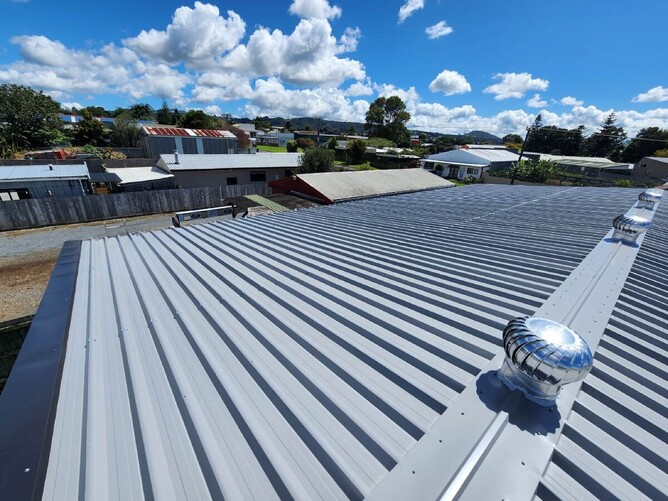
This does not mean every home needs the same ventilation setup. The right approach depends on the roof shape, ceiling type, insulation, building design, and exposure. Ridge vents, soffit vents, or other ventilation methods may be appropriate depending on the property.
When we install a new roof, we look at how the roof system will perform in real local conditions, not just how it looks on day one.
A New Roof Can Reduce Draughts, Leaks, and Unwanted Air Movement
Energy efficiency is not only about insulation. It is also about controlling unwanted gaps, leaks, and weak points.
As roofs age, flashings can deteriorate, fixings can loosen, roof penetrations can become vulnerable, and small leaks can start around details such as vents, skylights, valleys, chimneys, and ridges. Even minor weaknesses can allow air and moisture to move where they should not.
A properly installed new roof gives your home a tighter, more weather-resistant outer layer. At Flood Roofing, we pay close attention to the details that matter, including flashings, penetrations, ridges, valleys, and edges.
This helps protect your home from water entry, reduces unwanted draughts, and supports better overall thermal performance.
A New Roof Can Support Solar Panels Later
Many homeowners are also thinking about future energy upgrades, including solar panels. If your existing roof is old, corroded, fragile, or near the end of its life, it may not make sense to install solar before sorting the roof.
Replacing the roof first can give you a stronger, cleaner, longer-lasting base for future solar installation. It also reduces the risk of needing to remove panels later to complete roofing work that could have been planned earlier.
If solar is part of your long-term plan, let us know during the early roofing discussion. We can consider roof condition, layout, orientation, and product choices so your new roof is better prepared for future upgrades.
Energy Efficiency Meets Spouting and Moisture Control
Spouting may not seem directly connected to energy efficiency, but moisture control plays a major role in keeping a home healthy and comfortable.
Blocked, cracked, or failing spouting can send water where it should not go. Over time, that can contribute to dampness, water damage, and issues around roof edges, walls, and foundations. A dry home is generally easier to keep comfortable than a damp one.
If your roof is being replaced and your spouting is also near the end of its life, it often makes sense to review both at the same time. This can create a cleaner finish and help the whole exterior drainage system work properly.
Will a New Roof Lower Your Power Bills?
A new roof can help reduce heating and cooling demand, but the exact impact depends on the home. Roof colour, insulation, ventilation, air sealing, windows, heating systems, shading, and household habits all influence power use.
For some homes, the biggest improvement comes from insulation. For others, it may come from reducing summer heat gain with a more reflective roof colour. In damp coastal homes, moisture control and ventilation can also make a big difference to comfort.
The most honest answer is this: a new roof is not a magic fix on its own, but a well-designed roof replacement can be a major step toward a more comfortable, efficient, and future-ready home.
Signs Your Existing Roof May Require Assessment
It may be time to consider a roofing assessment if you have noticed:
Rooms that overheat in summer, especially later in the day
Cold rooms or heat loss during winter
Ceiling stains, leaks, or damp patches
Rust, loose fixings, lifting sheets, or damaged flashings
Musty smells or signs of condensation in the roof space
Insulation that looks thin, patchy, damp, or compressed
A roof that is more than 20 years old and showing visible wear
Even if you are not ready to replace the roof immediately, an assessment can help you understand what is urgent, what can wait, and what improvements would give your home the best long-term value.
Thinking About a More Energy-Efficient New Roof?
If your roof is ageing, leaking, rusting, or no longer performing well, a new roof can do more than improve street appeal. It can help your home stay cooler in summer, warmer in winter, drier in humid conditions, and better protected from Northland’s coastal weather.
At Flood Roofing, we install durable metal roofing systems for homes across Kerikeri, the Bay of Islands, and wider Northland. We use trusted materials, manage our own scaffolding, and give straightforward advice so you can make the right decision for your home.
If you are planning a roof replacement, building a new home, or weighing up whether now is the right time to reroof, talk to our team. We will assess your roof, explain your options, and help you choose a roofing solution that looks good, performs well, and is built for local conditions.