For many Northland property owners, a new shed or carport starts with a practical need. Maybe the boat needs better protection from the Bay of Islands weather. Maybe the tractor, tools or work vehicle need somewhere secure. Or maybe your home in Kerikeri, Paihia, Kaikohe, Kawakawa or Ōkaihau simply needs more covered space that looks good and stands up to local conditions.
Whatever the reason, a well-built shed or carport is more than four posts and a roof. The best results come from thinking through the full setup before construction begins, including the roof profile, water run-off, access, power, lighting and security.
That early planning can save a lot of hassle later, especially in Northland, where heavy rain, coastal exposure, humidity and rural property layouts can all influence how a structure performs over time.
Start With the Purpose of the Shed or Carport
Before choosing materials or dimensions, it helps to be clear about what the structure needs to do.
A carport for everyday vehicles has different requirements from a farm shed used for machinery, a covered boat storage area, or a multi-purpose workspace. A lifestyle block outside Kerikeri may need wide access for trailers and equipment, while a home closer to the coast might prioritise weather protection and durability.
Ask yourself:
Will the space be used only for storage, or also as a workshop?
Will vehicles, tools, machinery or stock feed be kept inside?
Does it need to be open-sided, partly enclosed or fully enclosed?
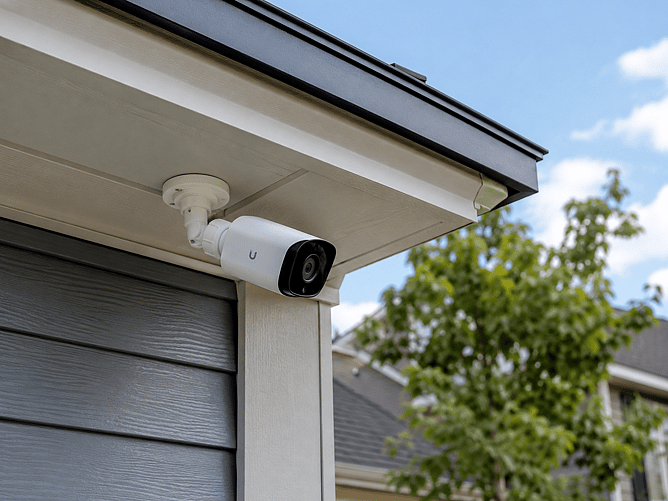
Will you need lighting, charging points, security cameras or powered doors later?
How will rainwater move away from the structure?
These answers affect the roof design, guttering, layout, drainage and future service access. This is where working with experienced roofing contractors Northland property owners trust can make the process much smoother.
Why Roofing Design Matters
The roof is one of the most important parts of any shed or carport. It has to handle rain, sun, wind and general wear while protecting whatever sits underneath.
In Northland, roof design should account for heavy downpours and exposure to coastal air. A low-cost build may look fine at first, but poor materials, weak fixings or badly planned water run-off can cause issues later. For rural and coastal properties, durability should be a priority from the start.
A good shed or carport roof should be designed around:
Roof pitch and water run-off
Wind exposure
The intended span of the structure
The surrounding buildings and landscape
Material suitability for local conditions
Future maintenance access
Flood Roofing designs and builds custom pole sheds and carports across Kerikeri and the Bay of Islands, with structures suited to everything from farm equipment storage to vehicle protection. For property owners considering pole sheds in Northland, it is worth choosing a team that understands both the building purpose and the local environment.
Don’t Treat Guttering as an Afterthought
Guttering is easy to overlook on a shed or carport, but it plays a major role in protecting both the structure and the surrounding ground.
Without properly planned gutters and spouting, rainwater can pool around posts, splash back onto cladding, flood nearby paths, or create muddy areas beside the structure. On rural properties, poor water control can also make access difficult during wet months.
For sheds and carports, guttering should be planned around the roof size, roof pitch, water volume and discharge point. In some cases, water may be directed to stormwater, tanks, garden areas or suitable drainage zones.
This is especially important in areas like the Bay of Islands, where sudden downpours can put a lot of pressure on poorly sized or badly positioned spouting. Homeowners comparing options for guttering in Northland should think about the full water management system, not just the visible gutter line.
Plan Power and Lighting Before the Build
If your shed or carport might ever need power, it is best to think about it before construction begins.
Many property owners start with a simple storage structure, then later realise they need lighting, outdoor plugs, battery charging, a workbench, sensor lights, security cameras or power for an automatic door. Retrofitting these services can be more difficult once the structure is finished.
Planning early allows you to consider:
Where lights should be positioned
Whether switches should be inside, outside or both
Where power points might be useful
How cables can be safely routed
Whether future automation or security systems may be added
How the shed connects with the main house, driveway or gate
For rural and lifestyle properties, lighting is particularly useful around vehicle areas, tool storage, gateways and paths back to the house. Good lighting improves safety, makes the space more usable after dark, and can help deter unwanted activity.
Think About Security From the Start
A shed can hold some of the most valuable items on a property: tools, bikes, vehicles, farm gear, fishing equipment, machinery, fuel, trailers and building materials. That makes security an important part of the planning process.
Security does not always need to be complicated. For some properties, strong doors, visibility from the house and sensor lighting may be enough. For others, especially larger rural blocks or commercial sites, it may be worth thinking about cameras, access control, alarms, gates or remote monitoring.
This is where broader property planning comes in. While Flood Roofing focuses on the structure itself, some property owners may also need advice from electrical or security specialists for systems such as CCTV and access control systems, particularly when the shed stores high-value equipment or forms part of a wider home or business setup.
The key is to allow for these possibilities early. Even if you do not install everything at once, making provision for cabling, lighting positions and secure access points during the build can make future upgrades easier.
Consider Access and Everyday Use
A shed or carport should be easy to use, not just good-looking.
Think about how vehicles will approach and exit the structure. Is there enough turning room? Can a trailer reverse in easily? Will rainwater run across the access area? Is the entrance practical during winter?
On Northland lifestyle blocks and rural properties, ground conditions can vary. A good structure should work with the natural slope, driveway layout and existing buildings. For properties near Kerikeri or throughout the Mid North, it is also worth thinking about how the shed fits with future improvements, such as fencing, gates, concrete pads, extra roofing, or spouting upgrades.
Match the Shed or Carport to the Property
The best sheds and carports look like they belong on the property. That does not mean they need to be fancy, but the roofline, colour, size and position should make sense alongside the house, driveway, landscaping and other buildings.
For homes, a well-designed carport can improve everyday convenience and street appeal. For farms and lifestyle blocks, a robust pole shed can make storage easier and help protect valuable equipment from weather damage.
This is where local experience matters. Roofing specialists Northland homeowners work with should understand how materials perform in the region, how to plan for rain and wind, and how to build structures that are practical for local property types.
Build It Properly the First Time
A shed or carport is a long-term investment. Done well, it adds useful space, protects valuable assets and can improve the overall function of a property. Done poorly, it can create drainage problems, maintenance headaches and security concerns.
Before building, take time to plan the full picture: roof design, guttering, drainage, access, power, lighting and security. Bringing these details together early will help you avoid costly changes later.
Whether you need vehicle cover, farm storage or a practical new structure for your lifestyle block, the right planning will help your shed or carport work better for years to come.
For property owners in Kerikeri, the Bay of Islands and wider Northland, Flood Roofing can help with custom pole sheds, carports, roofing and spouting designed for local conditions. Contact us today.