Building a shed, carport or garage is one of the most practical upgrades you can make to a Northland property. Whether you need somewhere to park the ute, store farm gear, protect the boat, create a workshop or add value to your home, the right structure can make day-to-day life easier.
But in places like Kerikeri, Paihia, Kaikohe, Kawakawa and the wider Bay of Islands, outdoor buildings need to do more than simply look good. They have to cope with heavy rain, strong wind, humid summers, salt air near the coast and the everyday demands of rural or lifestyle-block living.
Before you start planning, here are the main things to check so your new shed, carport or garage is built properly from the start.
What Will the Structure Actually Be Used For?
The first question is simple: what do you need the space to do?
A carport may be enough if you mainly want to protect vehicles from sun, rain and falling debris. A pole shed may suit larger equipment, boats, trailers, hay, tools or general storage. A fully enclosed garage may be better if security, weather protection and workshop space are priorities.
Think about how your needs might change over the next five to ten years. A shed that feels spacious today can quickly become cramped once you add ride-on mowers, fishing gear, bikes, tools, camping equipment or extra vehicles. Planning a little more room now is usually easier than extending later.
Site Position and Access
Where you place the structure matters. In Northland, many properties have sloping sections, long driveways, clay-heavy ground, exposed ridgelines or low-lying areas where water can collect after heavy rain.
Before choosing the site, consider:
Can vehicles access it easily in wet weather?
Will water run towards or away from the structure?
Is there enough room for turning, reversing and loading?
Will the building block sunlight, views or future landscaping plans?
Is it close enough to the house or work area to be useful?
For rural blocks around Kerikeri and the Bay of Islands, access is especially important if the shed will store farm equipment, machinery or trailers. A good structure should work with the way you already move around your property.
Roofing and Weather Protection
The roof is one of the most important parts of any shed, carport or garage. Northland’s climate can be tough on exterior materials, particularly in coastal areas where salt air and humidity can speed up wear.
A well-designed roof should suit the size and purpose of the building, allow rainwater to run off efficiently and be made from materials suitable for local conditions. Roof pitch, overhangs, flashings and fixings all play a role in keeping the structure dry and durable.
This is where working with a local roofing team makes a real difference. Flood Roofing designs and builds custom-built pole sheds and carports in Kerikeri and the Bay of Islands, with structures tailored for vehicle protection, farm equipment storage and Northland weather conditions.
Gutters, Spouting and Drainage
A shed or garage roof can collect a large amount of rainwater. Without the right gutters and spouting, that water can spill around the base of the building, causing muddy accessways, damp storage areas, erosion or foundation issues.
Before building, check how rainwater will be managed. This includes gutter size, downpipe placement, stormwater discharge and whether the site needs extra drainage work. For carports and pole sheds, it is also worth thinking about where water will land during wind-driven rain.
Good water management is especially important around Paihia and coastal Bay of Islands properties, where intense rain events and exposed conditions can quickly reveal weak points in a building design.
Open Carport or Enclosed Garage?
A carport is often more affordable, faster to build and ideal for airflow. It protects vehicles from direct rain and sun while keeping access simple. For many Northland homes, a carport is the perfect practical solution.
A garage offers more security, privacy and weather protection. It is a better option if you need lockable storage, a workshop, power tools, freezers, bikes or expensive equipment kept out of sight.
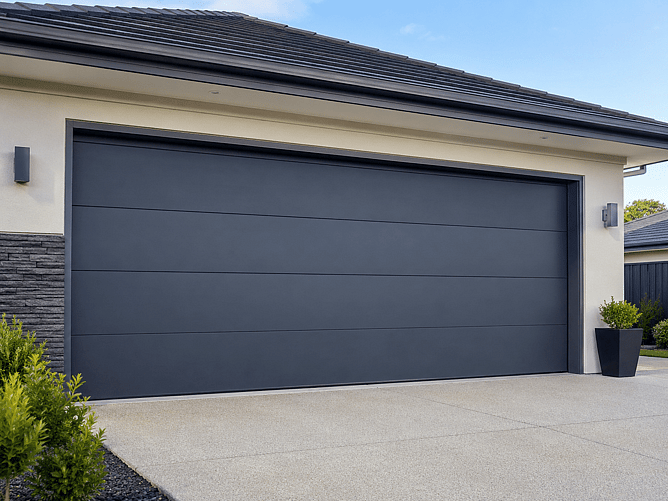
If you are planning a fully enclosed garage, the door becomes a key part of the design. It affects security, convenience, insulation, street appeal and how easily you can use the space. For homeowners outside Northland, comparing garage door options can be useful examples of the types of sectional doors, roller doors, openers and repair services available in a larger urban market.
Materials That Suit Northland Conditions
Not all building materials perform the same in Northland. A structure near the coast may face salt-laden air, while a rural shed may need to handle dust, animal movement, machinery, impact risk and regular exposure to wind and rain.
When choosing materials, look for durability, corrosion resistance and low-maintenance finishes. It is also worth considering colour and style, especially if the shed, carport or garage will be visible from the road or connected to the house.
A well-built structure should feel like part of the property, not an afterthought.
Council Requirements and Consent
Depending on the size, location and design of your shed, carport or garage, you may need to consider building consent, setbacks, stormwater rules or other local requirements. Even where consent is not required, the structure still needs to be safe, practical and built to a suitable standard.
This is an area where early advice helps. Before you order materials or start preparing the site, check what applies to your property. A professional builder or roofing specialist can help you understand what is likely to be involved and avoid expensive changes later.
Future Power, Lighting and Storage
Even if you are building a simple carport or pole shed, think ahead. You may eventually want lighting, power points, a workbench, shelving, EV charging, security cameras, water tanks or a wash-down area.
Planning for these early can influence the size, layout and positioning of the structure. It may also affect where doors, posts, downpipes and access points should go.
For sheds used as workshops, natural light and ventilation are also worth considering. A practical shed is not just about covered space; it is about creating a space that is comfortable and easy to use.
Choosing a Local Team
A shed, carport or garage is a long-term investment, so local knowledge matters. A team that understands Northland conditions can help you avoid common problems such as poor runoff, undersized spouting, unsuitable materials or awkward access.
For homeowners in Kerikeri, Kaikohe, Kawakawa, Paihia, Ōkaihau and the wider Bay of Islands, working with a local team also makes communication and site visits easier. You want someone who can look at your property, understand how the structure will be used and recommend a solution that suits both your budget and the local environment.
Ready to Plan Your Shed or Carport?
Before building a shed, carport or garage in Northland, take time to think through the site, roof design, weather exposure, drainage, access, materials and future use. Getting these details right at the start will help your new structure last longer and work better.
Flood Roofing designs and builds practical, durable pole sheds and carports for Kerikeri, the Bay of Islands and surrounding Northland areas. To talk through your project, book a site visit with the Flood Roofing team and get expert advice before you build.