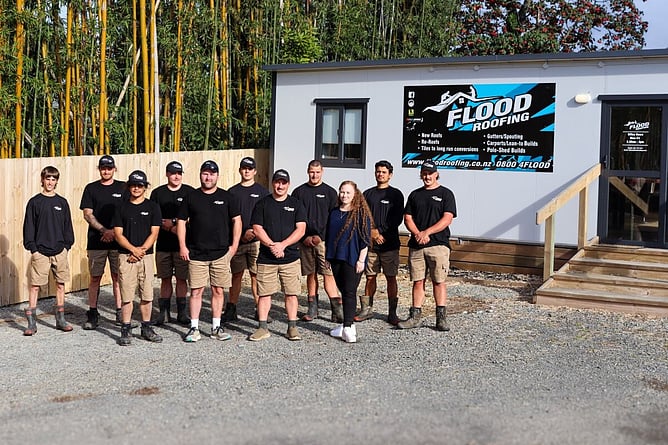
When you are building a new home in a Bay of Islands subdivision, the roof is one of the most important parts of the entire project. It does more than finish the look of the home. It protects the structure, helps the build move forward, supports council compliance, and gives the property long-term defence against Northland’s weather.
For many new builds, roofing decisions are made once the plans are well underway. By that stage, the roof pitch, cladding details, drainage design, penetrations, scaffolding access, and construction schedule may already be locked in.
That can make things harder than they need to be. The earlier you think about your roof, the easier it is to choose the right materials, plan the installation properly, and avoid delays once the frame is ready to be closed in.
Whether you are building in Kerikeri, Paihia, Kawakawa, Kaikohe, Ōkaihau, Opua, Russell or elsewhere across the Bay of Islands, choosing the right new roof installer matters from day one.
A quality roof starts with good planning, clear communication, local knowledge, and workmanship that suits the conditions your home will face for years to come.
Why Roofing Matters So Much in a New Build
A roof is one of the key milestones in any new home build. Once the roof is installed, the home becomes far more protected from the weather, which allows internal work to progress with more confidence. Insulation, electrical work, plasterboard, flooring, cabinetry, and interior finishing all depend on the building being properly weather-tight.
This is why a roofing delay can affect more than just the roof itself. If materials are not ready, access has not been planned, flashings are unclear, or the installer is not available when needed, the entire build schedule can be pushed out.
In a subdivision where multiple homes may be under construction at the same time, timing and coordination become even more important.
Good Roofing Kerikeri work is not just about turning up and fixing sheets to a frame. It involves reading plans, checking details, understanding the site, managing safe access, coordinating with the builder, and making sure the finished roof performs as part of the wider building system.
When those details are handled properly, the roof supports the whole build instead of becoming a point of stress.
Bay of Islands Conditions Need Local Roofing Knowledge
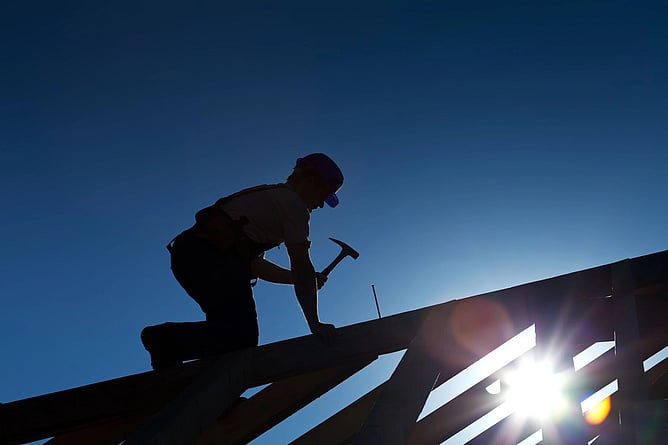
The Bay of Islands is a beautiful place to build, but it asks a lot from roofing systems. Coastal air, humidity, strong sun, heavy rain, and wind-driven weather can all affect how a roof performs over time.
Even homes that are not right on the waterfront can still be exposed to conditions that are tougher than many people expect.
This is where local experience makes a real difference. A roof for a new subdivision home in Kerikeri may need different considerations from a bach near Paihia, a rural lifestyle property near Ōkaihau, or a more exposed site closer to the coast.
Roof design, product selection, fasteners, coatings, flashings, drainage, and maintenance requirements all need to suit the actual property.
We always look at the roof as a complete system. It is not just the roof sheets that matter. The fixings, flashings, underlay, penetrations, valleys, ridges, gutters, and spouting all play a part in keeping the home protected.
In Northland conditions, small shortcuts can become big problems later, especially when moisture, salt air, and wind find weak points in the system.
What to Look for in a New Roof Installer
When you are choosing a new roof installer for a home build, it pays to look beyond the lowest quote. Price matters, but it should never be the only deciding factor. A new roof is a long-term investment, and the quality of the installation can affect the home for decades.
A good roof installer should be able to work closely with your builder, understand the plans, explain product options clearly, manage the roofing process safely, and communicate before problems become delays.
They should also understand compliance requirements and the practical realities of working on a live construction site.
For homeowners, that means less stress and more confidence. For builders, it means a smoother schedule and fewer issues with sequencing. For developers managing several homes in a subdivision, it means consistency across each build and a roofing team that understands how important reliability is when multiple trades are involved.
Kerikeri roofing projects often require a balance of practical site knowledge and strong finishing standards. The roof needs to look sharp, suit the home’s design, and stand up to local conditions.
That combination only happens when the installer takes the time to get the details right.
Plan the Roof Before the Build Reaches the Roofing Stage
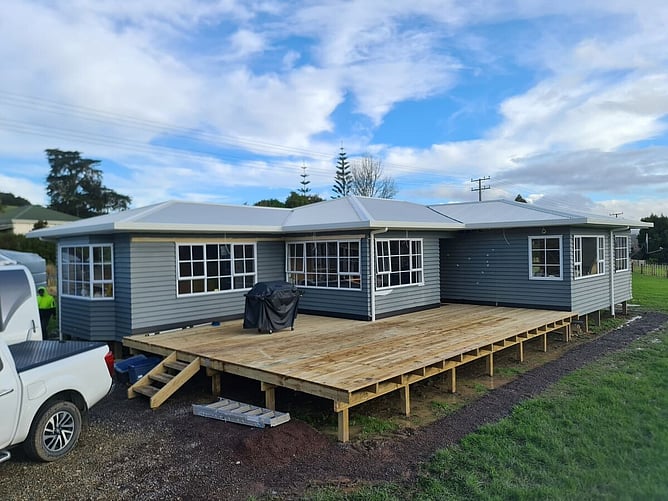
One of the best ways to avoid roofing problems is to involve your roofing team early. By the time the frame is up and the build is ready for roofing, many important decisions should already be sorted. Leaving those decisions too late can limit your options or create unnecessary pressure.
Material choice is one of the first things to consider. Long-run metal roofing is a popular choice for many Northland homes because it is durable, modern, lightweight, and well-suited to local weather when the right product and coating system are chosen.
Colour, profile, coating type, roof pitch, and exposure level all need to be considered together, not separately.
Flashings and penetrations also need early attention. Skylights, vents, flues, extractor outlets, solar readiness, valleys, wall junctions, and gutter lines all affect how the roof is detailed.
These areas are often where leaks begin if the design or installation is rushed. Taking the time to plan them properly helps the finished roof perform as it should.
Scaffolding and access are another major part of the process. Roofing work needs safe, stable access, and a well-planned site helps the job run more efficiently.
When scaffolding is arranged properly, the roofing team can work safely, materials can be handled more easily, and the project is less likely to be held up by access issues. At Flood Roofing we speed up and improve the process by supplying our own scaffolding.
Roofing Kerikeri & Bay of Islands Homes With Council Compliance in Mind
New builds come with paperwork, inspections, and council requirements. Roofing is part of that compliance picture, so it needs to be handled carefully.
The roof must be installed in line with the plans, product specifications, and relevant building requirements.
For homeowners, this can feel overwhelming. There are already plenty of decisions to make during a new build, from layout and cladding to flooring, joinery, kitchens, bathrooms, and landscaping.
Roofing can seem technical, especially when the conversation turns to underlay, fixings, flashings, coatings, drainage, and compliance documents.
That is why it helps to work with a roofing team that can keep the process clear. We believe homeowners should understand what is happening without being buried in jargon.
If a roofing detail needs attention, it should be explained plainly. If there is a better product for the site conditions, that should be discussed early. If access, timing, or compliance paperwork needs planning, it should be handled before it becomes urgent.
Good roofing is not just about installation day. It is about making the whole process easier from quote to completion.

Why Metal Roofing Works Well for Northland New Builds
Metal roofing is a strong option for many new homes in Kerikeri and the wider Bay of Islands. It gives a clean, modern finish that suits a wide range of architectural styles, from coastal homes and compact subdivision builds to rural properties and larger family homes.
The key is choosing the right system for the location. A property exposed to salt air, high humidity, heavy rainfall, or strong UV needs roofing materials that are selected with those conditions in mind. Coated metal roofing products can offer excellent long-term performance when they are matched to the site and installed correctly.
Maintenance should also be part of the conversation. Even a high-quality new roof needs basic care over time. Keeping gutters clear, removing debris, checking for moss or lichen, and arranging periodic inspections can help extend the life of the roof.
A good installer should not only install the roof well, but also help you understand how to look after it once the home is finished.
For new homeowners, this is especially valuable. You are not just choosing a roof for handover day. You are choosing a roof that needs to protect your home through years of rain, sun, salt air, humidity, storms, and seasonal changes.
Working With Builders, Architects, and Homeowners
New roof installation works best when everyone is on the same page. Builders need reliable scheduling. Architects need the roof to match the design intent. Homeowners need clear communication and confidence that the roof is being installed properly.
Our role is to make that part of the build feel organised and straightforward. We work with the details in the plans, look at the practical conditions on site, and coordinate with the wider project so the roofing stage can move ahead smoothly.
That includes thinking about materials, flashings, spouting, access, safety, timing, and the finished appearance of the home.
In subdivision builds, this coordination is especially useful. Many sites have limited access, neighbouring homes under construction, shared driveways, material deliveries, and multiple trades working around each other.
A roofing team that understands site flow can help reduce disruption and keep the project moving. For builders, a dependable roofing installer means fewer hold-ups and less time chasing updates.
For homeowners, it means a clearer process and fewer surprises. For the finished home, it means a roof that has been planned and installed with care from the beginning.
The Value of Choosing a Local Kerikeri Roofing Team
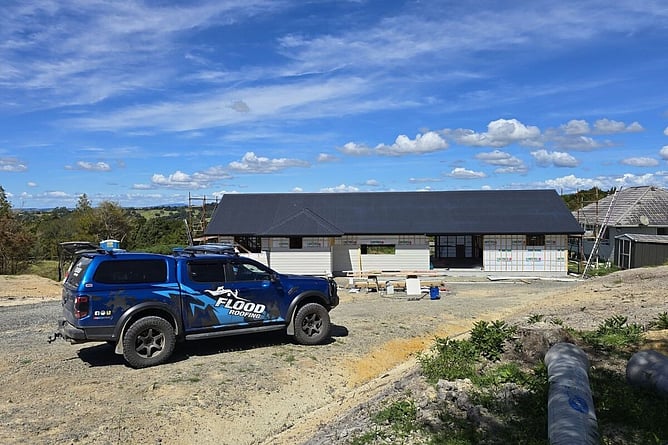
Choosing a local team for Kerikeri roofing projects gives you practical advantages. Local roofers such as our team at Flood Roofing understand the weather, the common building styles, the coastal pressures, and the realities of working across the Bay of Islands.
We know that one site can be sheltered while another just a few kilometres away can be more exposed to wind, salt, or rain.
That knowledge helps with better recommendations. It also helps with communication, site visits, quoting, and follow-up. When your roofing team is based in the area and regularly works across Kerikeri and the wider Bay of Islands, you are not dealing with people who are guessing how local conditions affect roofing. You are working with a team that sees those conditions every day.
Local experience also matters when it comes to long-term accountability. A new roof should not be treated as a quick transaction. It is part of a home that needs to last. We take pride in roofing work that looks good, performs well, and gives homeowners confidence long after the build is finished.
Start With the Roof Early and Build With Confidence
If you are planning a new home in a Bay of Islands subdivision, it is worth thinking about the roof as early as possible. The roof affects the build schedule, the weather-tightness of the home, the exterior style, the drainage system, and the long-term durability of the property. Leaving it too late can create pressure that is easy to avoid with the right planning.
The best roofing outcomes come from clear advice, local knowledge, quality materials, safe access, careful detailing, and reliable workmanship. Whether you are a homeowner building your dream home, a builder managing a project, or a developer working across several subdivision sites, choosing the right roofing installer can make the whole process smoother.
For Roofing Kerikeri homeowners and builders can depend on, we are here to help with new roof installations across Kerikeri and the wider Bay of Islands.
Talk to our team at Flood Roofing early, and we will help you plan a roof that suits your home, your site, and Northland’s conditions.
Phone: 0800 435 663
Email: office@floodroofing.co.nz