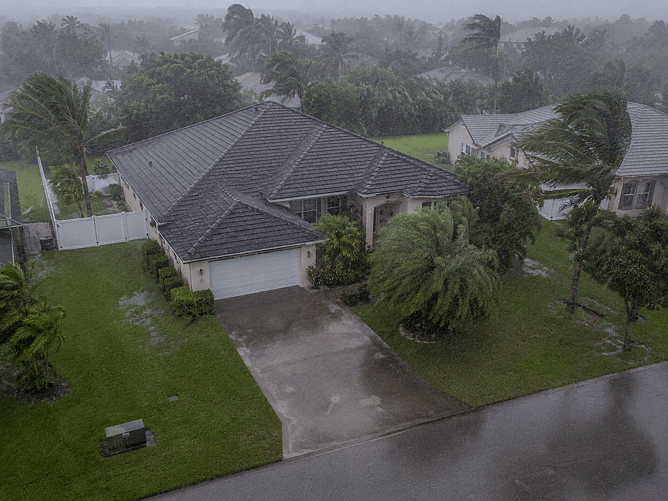
Storm season has a way of exposing the weak points in a home. A small roof leak, tired spouting, loose flashing, blocked downpipe or overflowing drain might not seem urgent during dry weather, but once heavy rain and wind arrive, minor issues can quickly turn into water damage.
For homeowners in Kerikeri, Paihia, Kaikohe, Kawakawa, Ōkaihau and across the Bay of Islands, preparing early is especially important. Northland’s mix of coastal air, humidity, heavy rainfall and strong seasonal weather can be tough on roofing, gutters and exterior materials.
Here is a practical storm season home maintenance checklist to help you protect your property before the next big downpour.
Check Your Roof for Loose, Damaged or Ageing Materials
Your roof is your home’s first line of defence against storm damage. Before storm season sets in, take a careful look from ground level and check for signs that something is not quite right.
Look for:
Loose or lifted roofing sheets
Rust spots or surface deterioration
Missing fixings
Sagging sections
Cracked sealants
Damaged ridging or flashing
Moss, lichen or debris build-up
You do not need to climb onto the roof to spot many of these issues. In fact, it is safer not to. A visual inspection from the ground, driveway, deck or upper window can often reveal obvious warning signs.
If your roof is older, has had repeated repairs, or shows signs of wear after years of Northland weather, it may be time to organise a professional inspection before the next major storm.
Clear Gutters and Spouting Before Heavy Rain Arrives
Blocked gutters are one of the most common causes of storm-related water problems. When leaves, twigs, moss and debris collect in the spouting, rainwater has nowhere to go. Instead of flowing safely into the downpipes, water can overflow back toward the roofline, fascia, cladding or foundations.
This is especially important around leafy Kerikeri sections, lifestyle blocks and coastal homes where wind can blow debris into gutters quickly.
Before storm season, check whether your gutters are:
Overflowing during rain
Pulling away from the fascia
Cracked, brittle or sagging
Rusted or leaking at joins
Too small for the volume of water coming off the roof
If your spouting is old or struggling to cope, Flood Roofing can help with gutters and spouting replacement in Kerikeri and the Bay of Islands, giving your home a better chance of handling heavy downpours.
Make Sure Downpipes Are Flowing Properly
Clean gutters will not help much if your downpipes are blocked. During a storm, downpipes need to move a large amount of water away from the roof quickly. If they are clogged, undersized or disconnected, water may pool around your home or overflow from the spouting.
Walk around the property during light rain and check where the water is going. It should flow freely through the downpipes and away from the house. Watch for pooling near entryways, decks, retaining walls, garages or low-lying areas.
If water is collecting near the foundations, you may need to look beyond the roofline and consider drainage or outdoor plumbing improvements.
Inspect Flashings, Roof Penetrations and Skylights
Stormwater often finds its way into small gaps. Flashings around chimneys, vents, skylights, roof joins and wall junctions are common leak points, especially when sealants have aged or fixings have moved.
After long periods of heat, humidity, salt exposure and wind, these vulnerable areas can deteriorate. Even a tiny gap can allow water to enter during driving rain.
Warning signs inside the home may include:
Ceiling stains
Damp patches near walls
Musty smells
Bubbling paint
Drips around light fittings
Mould in corners or roof cavities
If you notice these signs, do not wait until the next storm to investigate. Water can travel a surprising distance from the original entry point, so the visible stain is not always directly below the roof problem.
Trim Trees Near the Roofline
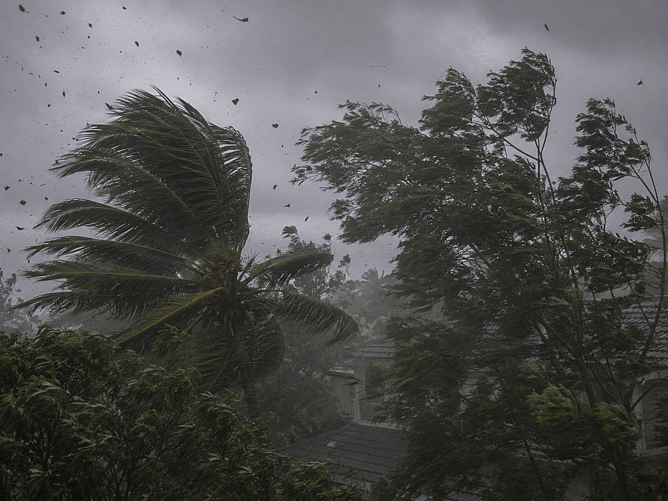
Trees add shade and shelter, but overhanging branches can become a problem during storm season. Branches may scrape roofing materials, drop leaves into gutters, or break during high winds.
Before the weather turns, trim branches that are touching or hanging over the roof. Pay attention to areas above gutters, valleys and carports, as these are easy places for debris to collect.
For rural properties and lifestyle blocks around the Bay of Islands, it is also worth checking shelterbelts and larger trees near sheds, garages and outbuildings.
Check Carports, Pole Sheds and Outbuildings
Storm preparation should not stop at the main house. Carports, pole sheds, garages, workshops and farm buildings also need attention, particularly if they protect tools, vehicles, machinery or stored materials.
Check that:
Roofing sheets are secure
Gutters are clear
Doors and openings close properly
Posts and framing look sound
Water drains away from the structure
Stored items are raised off the floor where needed
Northland properties often rely on outbuildings for practical storage, so a quick pre-storm check can prevent costly damage later.
Look at Ground Drainage Around the Property
A roof and spouting system is only part of the stormwater picture. Once rainwater reaches the ground, it still needs somewhere safe to go.
Check for areas where water pools after heavy rain, especially near low garden areas, retaining walls, driveways and pathways, garages, and decks.
Poor drainage can contribute to dampness, erosion and long-term structural issues. In some cases, the solution may involve clearing drains, adjusting surface levels, improving stormwater flow or getting advice from the right trade.
For homeowners, particularly those dealing with drainage or outdoor plumbing concerns, a specialist can help with plumbing service needs such as leaking water mains, hose taps, spouting clearing and other outdoor plumbing issues.
Secure Loose Outdoor Items
Not every storm risk is attached to the house. Loose outdoor furniture, trampolines, bins, tools, garden equipment and temporary structures can cause damage when strong winds arrive.
Before a storm warning, secure or move items that could become airborne. This is especially important on exposed coastal properties, hill sections and open rural sites where wind can gather speed.
Also check shade sails, awnings and lightweight roofing over patios or outdoor areas.
Check for Early Signs of Moisture Indoors
A good storm checklist includes the inside of the home too. Walk through each room and look for changes that could point to water entry.
Common signs include:
New ceiling marks
Damp carpet near exterior walls
Swollen skirting boards
Mould around windows
Peeling paint
A musty smell after rain
Small signs are worth taking seriously. The sooner you identify the source, the easier it usually is to fix.
Book Repairs Before the Weather Gets Worse
The best time to deal with roofing and spouting issues is before storm season is in full swing. Once heavy rain arrives, minor repairs can become urgent, and trades are often busier responding to leaks and storm damage.
If your roof is ageing, your spouting is overflowing, or you have noticed signs of water getting into the home, organise an inspection early. Preventative maintenance is usually far less stressful than emergency repairs after a storm.
Protect Your Home Before the Next Storm
Storm season is part of life in New Zealand, but water damage does not have to be. With a well-maintained roof, clear spouting, working downpipes and good drainage, your home will be in a much stronger position when heavy rain and wind arrive.
Flood Roofing helps homeowners across Kerikeri, the Bay of Islands and Northland with reliable roofing, re-roofing, new roof installations, gutters, spouting, pole sheds and carports.
For honest advice and quality workmanship, contact Flood Roofing today to get your home storm-ready.