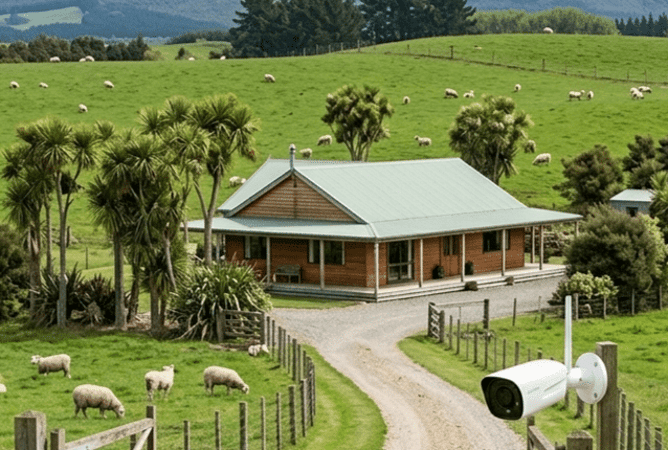
Rural properties come with space, flexibility and freedom, but they also come with a few practical challenges. Tools, trailers, tractors, ride-on mowers, utes, boats, machinery and building materials are often spread across sheds, carports, yards and open work areas.
That can make them harder to protect from weather, theft, rust, accidental damage and everyday wear.
For rural blocks around Kerikeri, Paihia, Kaikohe, Kawakawa, Ōkaihau and the wider Bay of Islands, the environment adds another layer. Heavy rain, coastal air, salt exposure, humidity, wind and long driveways can all affect how you store and secure valuable gear.
The good news is that protecting your tools, vehicles and equipment does not need to be complicated. It starts with a practical plan for shelter, visibility, access and regular maintenance with a sturdy secure custom built pole shed or carport.
Start With Proper Shelter
The first step is making sure your equipment is protected from the elements. Leaving vehicles, implements and tools exposed to Northland weather can shorten their lifespan, especially when metal components, electrical parts, timber handles and rubber seals are involved.
A well-designed shed, carport or covered storage area can help protect against:
Heavy rain and surface water
UV damage
Wind-driven debris
Rust and corrosion
Falling branches
Salt-laden coastal air
General wear from constant exposure
This is particularly important for lifestyle blocks and rural properties where machinery and vehicles may not be used every day. A trailer, mower or tractor attachment that sits outside for weeks at a time can deteriorate quickly if it is not properly covered.
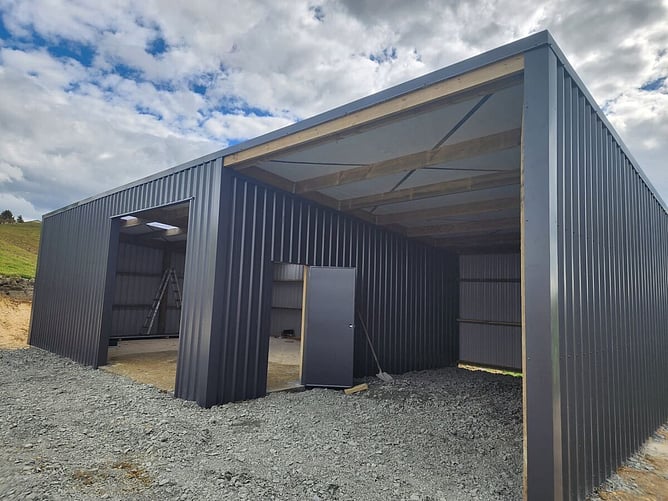
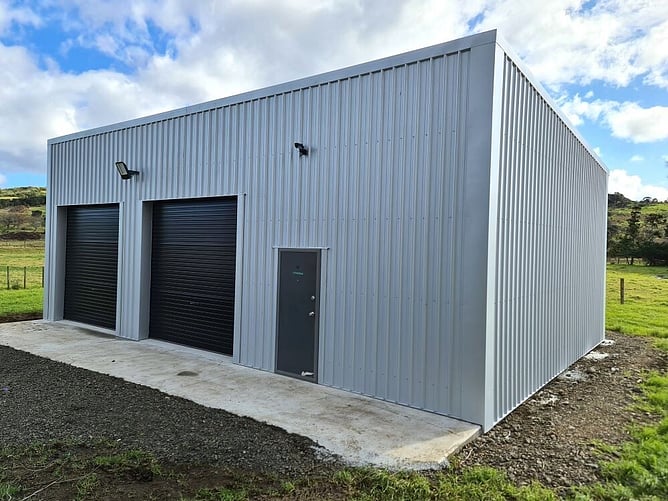
Flood Roofing designs and builds pole sheds and carports in Kerikeri and the Bay of Islands for practical uses such as farm equipment storage, vehicle protection and rural property needs. A custom structure can be planned around how you actually use the space, rather than trying to squeeze valuable gear into an area that was never designed for it.
Take a look at our shed design tool and plan a design that works for your property.
Think About Where Equipment Is Stored
On rural properties, convenience often wins. Tools end up near the workshop, trailers are parked by the gate, and machinery is left close to the paddock where it was last used. That might save time in the short term, but it can create avoidable risk.
Where possible, store valuable equipment:
Away from the main road
Out of sight from passing traffic
Under cover
On firm, well-drained ground
Near lighting or visible areas of the property
Behind gates, doors or barriers
Long driveways are common across rural Northland, and they can make it harder to see what is happening near sheds, yards or entrances. If equipment must be stored away from the house, consider how visible that area is from your main living space and whether it is easy to monitor.
Keep Sheds, Carports and Roofs in Good Condition
A storage area is only useful if it stays weather-tight. A leaking shed roof, loose flashing or damaged spouting can cause slow, ongoing damage to the gear underneath. Over time, moisture can affect tools, machinery, stored timber, spare parts and even vehicles parked under cover.
Check your storage buildings for:
Loose or lifted roofing sheets
Rust or corrosion
Leaking gutters
Blocked downpipes
Sagging rooflines
Damp patches on the floor
Water pooling around entrances
Doors that no longer close properly
This matters even more in places like the Bay of Islands, where warm, damp weather conditions can make moisture problems worse. If a shed or carport is meant to protect valuable gear, it needs to be built and maintained for local conditions.
Improve Lighting Around Work Areas
Good lighting is one of the simplest ways to make a rural property safer and more practical. It helps you move around at night, reduces the risk of trips and accidents, and makes sheds, driveways and parking areas less appealing to unwanted visitors.
Useful lighting areas include:
Shed entrances
Carports
Workshops
Fuel or chemical storage areas
Driveway turning bays
Gate entrances
Paths between buildings
Motion-sensor lighting can be especially helpful on larger properties because it only activates when needed. For homes near bush, paddocks or exposed coastal areas, make sure fittings are suitable for outdoor conditions and positioned where they will not be easily damaged by wind or branches.
Secure Access Points
Many rural property owners focus on the house but forget about secondary access points. Sheds, garages, barns, carports and storage containers may hold some of the most valuable items on the property.
Check whether your property has:
Lockable gates
Secure shed doors
Strong hinges and latches
Padlocks suitable for outdoor use
Fencing around storage zones
Controlled access to workshops or yards
Security should not make day-to-day work difficult, but it should create enough friction to discourage easy access. Even small improvements, such as moving valuable tools away from open doors or adding lockable storage inside a shed, can make a difference.
Consider Cameras for High-Value Areas
For larger rural properties, it can be difficult to keep an eye on every shed, driveway, paddock entrance or storage area. Cameras can help monitor key access points, especially where expensive machinery, vehicles, tools or trade equipment are stored.
For property owners reviewing their security setup, choose security options that suit the layout of your land, the value of what you store, and how often different areas are used.
Cameras are most useful when placed around practical risk points, such as:
Main entrance gates
Shed doors
Driveways
Fuel storage areas
Machinery bays
Carports
Workshop entrances
The goal is not to overcomplicate the property. It is to improve visibility where it matters most.
Keep an Updated Equipment Record
If something is damaged, misplaced or stolen, good records make life much easier. Keep a simple list of major tools, vehicles and equipment, including serial numbers, purchase details, photos and insurance information.
This is especially useful for:
Trailers
Ride-on mowers
Chainsaws
Power tools
Generators
Farm bikes
Utes
Boat trailers
Tractor attachments
Store a copy somewhere safe, ideally digitally as well as physically. A few minutes of record-keeping can save a lot of stress later.
Review Drainage Around Storage Areas
Water damage is not always caused by a leaking roof. Sometimes the issue starts at ground level. If water flows into a shed, pools around a carport or sits under parked equipment, it can cause rust, dampness and long-term damage.
After heavy rain, walk around your property and check where water gathers. Pay close attention to low areas near sheds, driveways, retaining walls and garage entrances. In rural areas, gravel surfaces can shift over time, drains can block, and ground levels can change after repeated storms.
A good storage area should keep water moving away from valuable equipment, not toward it.
Build Protection Into the Property, Not as an Afterthought
The best rural property setups are planned around real use. That means thinking about where vehicles turn, where trailers are parked, where tools are stored, how rainwater moves, and how easily different areas can be seen or accessed.
For many Northland property owners, a practical combination works best: a strong roof, reliable spouting, a well-positioned shed or carport, secure access, good lighting and sensible storage habits.
Protect Your Rural Property With Practical, Well-Built Shelter
Tools, vehicles and equipment are a major investment. Whether you are running a working rural property, managing a lifestyle block or simply need better storage for vehicles and outdoor gear, good shelter makes a real difference.
Flood Roofing helps Northland property owners across Kerikeri, the Bay of Islands and Northland with roofing, re-roofing, gutters, spouting, custom pole sheds and carports built for local conditions.
To plan a practical storage solution for your rural property, contact Flood Roofing today and talk to the team about a shed, carport or roofing project that suits the way you use your land.
Phone: 0800 4 FLOOD